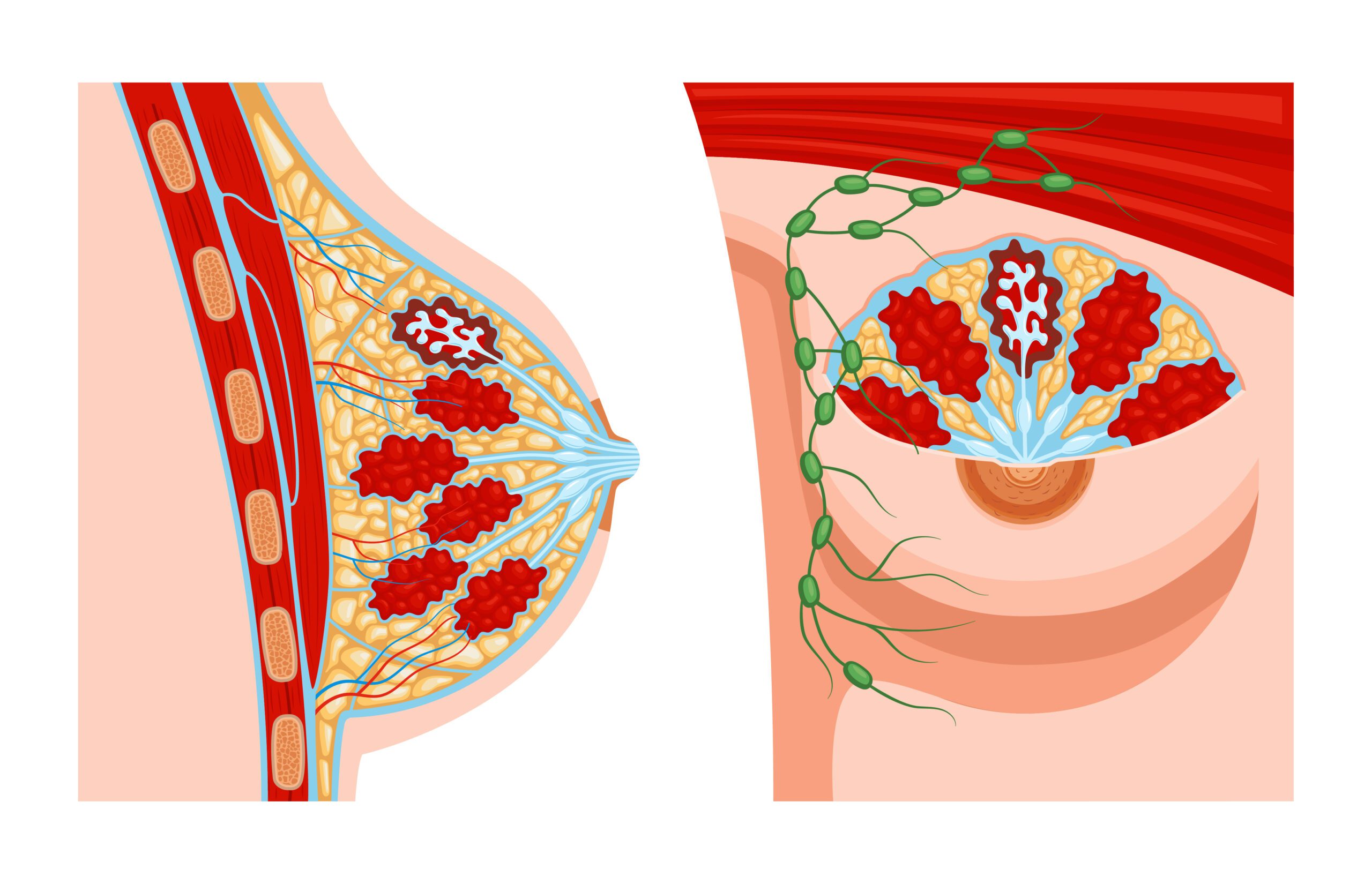
You notice a change. One breast feels different. Slightly firmer. Maybe softer. Perhaps the shape looks altered in certain lighting.
Now the questions begin.
Did something happen?
Is this normal?
Or could the implant have ruptured?
Breast implant rupture is not common, but when it happens, it creates immediate anxiety. The uncertainty often feels worse than the diagnosis itself. This guide explains the symptoms, how rupture is diagnosed, and what revision options are available — so you can respond calmly and confidently.
What Is a Breast Implant Rupture?
A breast implant rupture occurs when the outer shell of the implant develops a tear or hole. This can happen in both saline and silicone implants. However, the way the rupture presents depends on the implant type.
- Saline implant rupture causes rapid deflation because sterile saltwater leaks out and is absorbed by the body.
- Silicone implant rupture may be “silent,” meaning you may not notice obvious changes immediately.
Understanding the difference is critical because symptoms vary significantly.
Symptoms of a Ruptured Breast Implant
Many women search: “How do I know if my implant ruptured?”
The answer depends on whether the implant contains saline or silicone.
Signs of Saline Implant Rupture
Saline rupture is usually obvious and sudden. You may notice:
- Rapid decrease in breast size
- Visible deflation
- Change in shape
- Softening of the breast
Because the saline solution is harmlessly absorbed, there is no systemic health risk. However, the aesthetic change is immediate.
Signs of Silicone Implant Rupture
Silicone ruptures can be more subtle. Symptoms may include:
- Breast firmness or tightening
- Mild swelling
- Shape distortion
- New asymmetry
- Discomfort or tenderness
- Capsular contracture (hardening around the implant)
In some cases, there are no visible symptoms at all. This is called a silent rupture.
What Happens If a Silicone Implant Leaks?
Many women fear that silicone leakage is dangerous. Fortunately, modern implants contain cohesive gel designed to hold its shape even if the shell breaks.
Typically, the gel remains within the scar tissue capsule that naturally forms around the implant. However, over time, silicone may extend beyond that capsule. When this occurs, it can cause:
- Local inflammation
- Thickened scar tissue
- Breast firmness
- Small lumps
- Enlarged lymph nodes
Although silicone rupture is not considered a medical emergency, surgeons recommend removal or replacement once confirmed. Early intervention prevents further complications.
What Causes Implant Rupture?
Breast implants are durable but not lifetime devices. Rupture risk gradually increases over time. Common causes include:
- Natural aging of the implant shell
- Chest trauma
- Severe capsular contracture
- Damage during previous surgery
- Rare manufacturing defects
Women who underwent breast augmentation in Mangalore years ago may benefit from periodic evaluation, especially if implants are over a decade old.
How Is Breast Implant Rupture Diagnosed?
Diagnosis begins with clinical evaluation. An experienced plastic surgeon in Mangalore will examine changes in shape, texture, and symmetry.
Imaging plays a key role:
Ultrasound
Often used as a first screening tool. It can detect fluid changes and structural irregularities.
MRI
Magnetic Resonance Imaging is considered the gold standard for detecting silicone implant rupture. It is particularly useful in identifying silent ruptures.
The FDA recommends periodic imaging for silicone implants, even if no symptoms are present.
Is Implant Rupture Dangerous?
Saline rupture is not medically dangerous. The body absorbs saline safely.
Silicone rupture does not typically cause systemic illness. However, leaving a ruptured implant untreated may increase inflammation and capsular complications over time.
Prompt evaluation ensures safe management.
Breast Revision Surgery: What Are Your Options?
Once rupture is confirmed, surgical correction is recommended. The approach depends on your goals and tissue condition.
1. Implant Removal
Some women choose removal without replacement. In certain cases, a breast lift may improve contour.
2. Implant Replacement
Many patients opt for a new implant to restore volume and symmetry.
3. Capsulectomy
If thick scar tissue has developed, the surrounding capsule may need removal to restore softness and shape.
4. Implant Upgrade
Revision surgery also provides an opportunity to change implant size, profile, or material.
For patients considering revision after breast augmentation in Mangalore, careful planning ensures both safety and aesthetic harmony.
The Emotional Reality of Implant Rupture
Beyond the clinical facts lies an emotional experience.
Many women feel anxious, confused, or even fearful. Some worry about long-term health risks. Others feel distressed by changes in appearance.
It is important to remember:
Implant rupture is a mechanical event. It does not reflect personal fault or poor decision-making.
Modern revision techniques are predictable, safe, and highly refined. With expert care, outcomes are typically reassuring.
Final Thoughts
Breast implant rupture can feel alarming, especially when symptoms are subtle. However, most cases are manageable and rarely dangerous. The key lies in awareness, timely diagnosis, and thoughtful revision planning.
If you have undergone breast augmentation in Mangalore and notice unusual changes, seek professional evaluation without delay. Clarity replaces uncertainty — and informed care restores both safety and confidence.