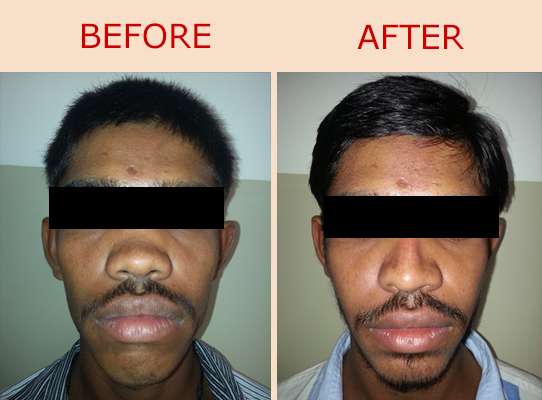
If you’ve been thinking about rhinoplasty in Mangalore, chances are you’ve spent months - maybe even years- feeling bothered by the shape of your nose or struggling with breathing issues that affect your daily comfort. Many people describe the same quiet frustrations: feeling self-conscious in conversations, or constantly wondering whether a subtle change could finally bring balance to their face. Rhinoplasty often becomes a turning point not just for appearance, but for confidence, comfort, and quality of life. And like any major decision, it deserves clarity, honesty, and the reassurance of knowing exactly what to expect before you choose it.
What Is Rhinoplasty Surgery?
Rhinoplasty is the artistic reshaping of the nose to improve proportions and functionality. Many people search for nose reshaping because their nose does not match their facial structure, or they struggle with breathing issues due to a deviated septum or past injury.
In simple words, rhinoplasty surgery helps refine how your nose looks and how it works.
Your bone, cartilage, and skin thickness play a big role in the final results. This is why no surgeon can “copy” celebrity noses—your natural structure guides what looks balanced and safe. When done by an experienced surgeon, rhinoplasty enhances harmony without looking operated on or artificial.
Why Do People Choose Rhinoplasty Surgery?
People choose rhinoplasty for many reasons, and most are deeply personal. While appearance is an important part, functionality and comfort matter just as much.
Here are the most common reasons patients consider rhinoplasty in Mangalore:
✔ To Improve Facial Balance
A nose that feels too big, wide, long, or crooked can pull attention away from your eyes and overall symmetry. Rhinoplasty subtly shifts this balance, so your features work together.
✔ To Fix Breathing Problems
Structural issues like a deviated septum make breathing harder, especially during sleep or workouts. A functional rhinoplasty corrects the internal framework to improve airflow.
✔ To Correct Deformities or Injuries
Past trauma, childhood fractures, or congenital bumps can distort the shape. Rhinoplasty restores smoother lines and symmetry.
✔ To Improve Confidence
When the nose feels “out of place,” it can affect social comfort, self-expression, and day-to-day confidence. Many patients say rhinoplasty made them feel more like themselves.
Overall, it’s a careful blend of aesthetic refinement and functional improvement—not just cosmetic shaping.
Who Is a Good Candidate for Rhinoplasty?
You may be a good candidate for nose reshaping if:
- Your nose has reached full maturity (usually 16–18 years old)
- You have realistic expectations and want a natural change
- You are in stable physical and emotional health
- You are a non-smoker or willing to quit temporarily
- You feel unhappy with the size, shape, tip, or bridge
- You struggle with breathing and want functional improvement, too
The best candidates want enhancement—not perfection—and trust the surgeon’s guidance to achieve natural rhinoplasty results based on their unique facial structure.
What Are the Different Types of Rhinoplasty?
People often search online for the “best type of rhinoplasty for me.” Here are the most common approaches explained simply:
- Open Rhinoplasty: A small incision under the nose offers full visibility for complex cases.
- Closed Rhinoplasty: No external cuts; suitable for minor reshaping.
- Functional Rhinoplasty: Corrects breathing and structural problems.
- Septorhinoplasty: A combined approach to fix both shape and airflow.
- Revision Rhinoplasty: Corrects unsatisfactory results from previous surgeries.
Each type has its role, and the right one depends on your anatomy and concerns.
Common Mistakes People Make Before Rhinoplasty (And How to Avoid Them)
Rhinoplasty is one of the most customized surgeries, yet many patients unknowingly make decisions that affect their final results. Here are the most common mistakes:
❌ Choosing a surgeon only based on low cost
Remember: the nose sits in the center of your face. Skill matters more than discounts. Instead of searching “Nose surgery cost in Mangalore” as your only criterion, focus on experience and natural outcomes.
❌ Bringing edited photos or unrealistic reference noses
Filters and celebrity noses are not real anatomy. Surgeons use your facial proportions, not Instagram edits.
❌ Hiding breathing issues
Some patients focus only on appearance, ignoring internal problems that need correction. This leads to incomplete results.
❌ Not disclosing habits like smoking or vaping
Nicotine slows healing and increases swelling.
❌ Expecting instant results
Rhinoplasty has one of the longest swelling timelines. The final shape appears slowly, not immediately after removing the cast.
Avoiding these mistakes protects your results and makes your recovery smoother.
How Surgeons Plan Natural Rhinoplasty Results
Natural-looking rhinoplasty comes from careful planning—not aggressive reshaping. Here’s how experienced surgeons create balanced outcomes:
✔ Facial Mapping
Your surgeon studies your chin, lips, forehead, and cheek angles to design a nose that fits your face—not someone else’s.
✔ Nasal Anatomy Evaluation
They examine bone structure, cartilage strength, tip support, and skin thickness.
✔ Computer Imaging
This helps visualize refinements—not extreme transformations.
✔ Function + Aesthetics Combined
The focus is always on a nose that looks good and breathes well.
A skilled surgeon aims for harmony, proportion, and longevity—not an overdone or “scooped” look.
What to Expect After Rhinoplasty Surgery
Swelling after rhinoplasty is completely normal and often surprises people. Understanding the stages helps prevent anxiety.
First Week
- Cast stays on
- The nose feels blocked
- Swelling and bruising peak around day 3
Week 2–4
- Noticeable bruising fades
- Swelling slowly decreases
- Breathing starts to improve
1–3 Months
- 60–70% of the definition becomes visible
- Tip swelling slowly reduces
6–12 Months
- Final contour appears
- Natural rhinoplasty results settle in
Red Flags to Watch For
- Persistent bleeding
- Sudden sharp pain
- Fever or redness around the nose
A smooth recovery comes from patience, realistic expectations, and proper care.
Rhinoplasty Recovery Hacks: Proven Tips to Reduce Swelling Faster
Patients often feel anxious about swelling after rhinoplasty because they expect an instant “before and after.” These evidence-backed nose job recovery tips help speed healing safely.
✔ Sleep with Your Head Elevated
Use 2–3 pillows or a wedge pillow for the first 2 weeks to reduce pressure.
✔ Use Cold Compresses Carefully
Apply near cheeks and eyes—not directly on the nose.
✔ Anti-Inflammatory Nutrition
Include:
- Pineapple (bromelain)
- Ginger
- Turmeric
- Leafy greens
- Vitamin C
Avoid salty foods—they trap fluids.
✔ Gentle Lymphatic Drainage Massage
Allowed only after your surgeon approves (often after 2–3 weeks).
✔ Avoid Heavy Exercise
Physical strain increases swelling.
✔ Stay Hydrated
Water supports healing and reduces puffiness.
✔ Be Patient
The nose takes its time. Emotional ups and downs are normal during healing.
These simple steps can make your recovery smoother and more predictable.
Practical Pre-Op Checklist Before Rhinoplasty
To prepare safely and calmly, use this helpful checklist:
- Stop smoking 2–4 weeks before surgery
- Avoid blood thinners and herbal supplements
- Arrange for someone to drive you home
- Sleep in an elevated position for practice
- Set up a clean, dust-free room
- Buy soft foods for the first few days
- Discuss all medications with your surgeon
- Share your complete medical history
- Clear expectations and avoid comparison photos
- Follow all pre-op instructions carefully
Being prepared ensures safe healing and reduces unnecessary stress.
A Thoughtful Step Toward a More Confident You
Rhinoplasty is a personal blend of science and artistry. Understanding what the procedure can realistically achieve, how the healing unfolds, and why natural planning matters helps make the journey smoother and less overwhelming. Every nose heals in its own time - and patience is key to seeing the final, refined result.
If you’re considering rhinoplasty in Mangalore, the guidance of an experienced cosmetic surgeon like Dr. Chandra can make your experience more informed and reassuring.
Curious about whether rhinoplasty is right for you? Book a conversation with Dr. Chandra and explore your options with clarity and confidence.
FAQ’s :
1. Is rhinoplasty safe?
Yes, rhinoplasty is generally safe when performed by a qualified, experienced surgeon. Proper planning, sterile techniques, and individualized assessment help ensure predictable, natural-looking results with minimal complications.
2. How long does swelling last after rhinoplasty?
Swelling after rhinoplasty reduces significantly within 4–6 weeks, while subtle refinements continue for several months. The final nasal shape usually settles fully between 6–12 months.
3. How much does nose surgery (rhinoplasty) cost in Mangalore?
Rhinoplasty cost in Mangalore varies based on procedure complexity, structural needs, and surgical goals. A personal consultation provides an accurate estimate tailored to your anatomy and expectations.
4. Can rhinoplasty fix breathing problems?
Yes. Functional rhinoplasty or septorhinoplasty can correct structural issues, improve airflow, and enhance breathing while simultaneously refining the external appearance of the nose.
5. When can I exercise again after rhinoplasty?
After rhinoplasty, you should avoid strenuous workouts for 3–4 weeks. Light activities can resume earlier, but high-impact exercise should wait until your surgeon confirms healing progress.
6. Will rhinoplasty results look natural?
With careful planning and an experienced surgeon, rhinoplasty results appear natural, balanced, and harmonious with your facial features—enhancing your look without appearing overdone.