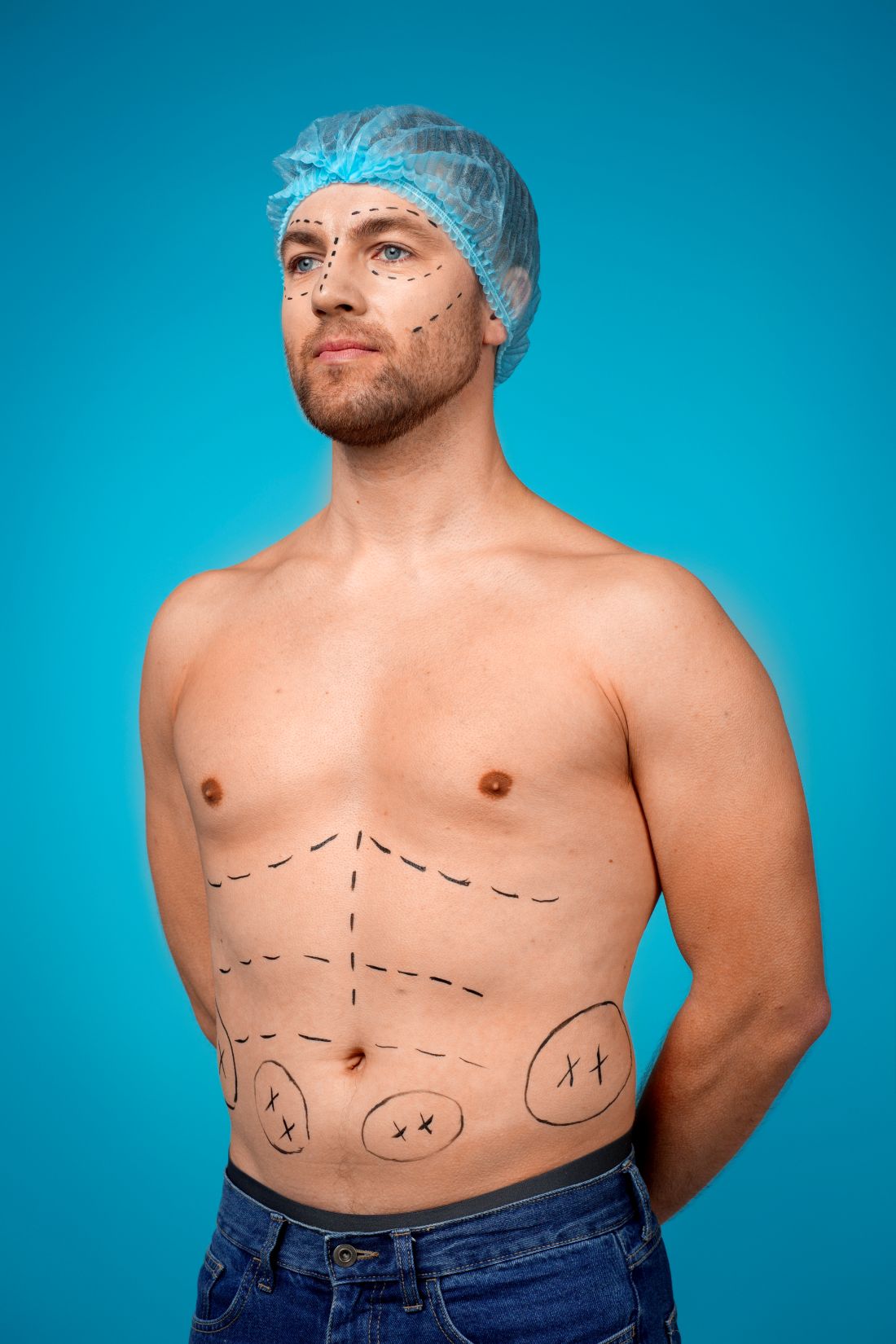
You eat well. You exercise regularly. And yet, certain areas of your body simply refuse to cooperate. That stubborn pocket of fat on your abdomen, the inner thigh bulk that no amount of squats seems to touch, or the soft tissue at the back of your arms that stays regardless of your effort this is one of the most common frustrations patients bring to a consultation.
Fat removal surgery exists precisely for this. But not all body areas respond the same way — and understanding why makes a significant difference in setting realistic expectations before you decide to proceed.
What Is Fat Removal Surgery?
Fat removal surgery, most commonly performed as liposuction, is a surgical procedure that permanently removes localised subcutaneous fat deposits from specific areas of the body. It is a body contouring procedure — not a weight loss treatment.
The procedure works by inserting a thin cannula beneath the skin to break up and suction out fat cells. Once removed, those fat cells do not regenerate.
Key distinction: Liposuction targets subcutaneous fat (beneath the skin). It cannot remove visceral fat (the deeper fat surrounding internal organs).
Why Do Certain Body Areas Hold Fat More Stubbornly?
Fat distribution is controlled by genetics, sex hormones, and receptor density in fat tissue.
Areas with a high concentration of alpha-2 adrenergic receptors resist fat breakdown even during exercise or caloric deficit. This is why diet and exercise reduce overall body fat but rarely eliminate localised deposits in specific zones.
Surgical fat removal bypasses this biological resistance by physically extracting the fat cells — making it the only reliable method for permanently addressing these resistant pockets.
The Abdomen: The Most Commonly Treated Area — And for Good Reason
The stomach is the single most requested site for fat removal surgery globally, and the results tend to be among the most dramatic.
Why it responds well:
- The abdominal area typically holds a large volume of subcutaneous fat (fat just beneath the skin), which is highly accessible to liposuction
- Skin in this region, particularly in younger patients, has reasonable elasticity and tends to retract well post-procedure
- Contouring the midsection creates an immediately visible transformation in silhouette
What to keep in mind:
- Visceral fat — the deeper fat around internal organs — cannot be removed surgically. Only subcutaneous fat is addressable
- Patients with significant skin laxity (post-pregnancy or after major weight loss) may need a tummy tuck alongside liposuction for optimal results
- Results are best maintained with stable body weight post-surgery
For patients considering fat removal surgery in Mangalore, the abdomen is typically where the consultation begins — and often where the most satisfying outcomes are achieved.
The Thighs: Effective, But Area-Specific
Thigh fat removal is highly effective, but the location within the thigh matters considerably.
- Inner thighs are among the best candidates for liposuction. The fat here is subcutaneous, accessible, and removal creates a meaningful visual change — particularly in how clothing fits and how the legs look in proportion.
- Outer thighs (saddlebags) also respond well to surgical fat removal. The fat deposits here are discrete and well-defined, which allows for precise contouring.
- Anterior (front) and posterior (back) thighs require a more careful approach. Over-aggressive treatment can lead to surface irregularities, and the skin here has less uniform elasticity. A skilled surgeon will assess the skin quality before recommending treatment.
Key consideration: Thigh liposuction requires a detailed recovery protocol. Compression garments are essential, and patients typically return to full activity in two to four weeks.
The Arms: Achievable Results, With One Important Caveat
Arm fat — particularly the soft tissue at the back of the upper arm — is one of the most emotionally significant concerns patients raise, and fat removal surgery does address it effectively.
What works in its favour:
- The fat deposits here are localised and well-defined
- Removal creates a noticeably slimmer, more toned arm profile
- It is a relatively straightforward area to treat surgically
The caveat — skin quality
This is where arm liposuction diverges from abdominal or thigh treatment. The skin on the upper arm is thinner and loses elasticity faster with age. In patients over 40, or those with a history of significant weight fluctuation, liposuction alone may leave the skin looking loose or crepey post-procedure.
In such cases, a brachioplasty (arm lift) is often recommended alongside fat removal to excise the excess skin and deliver a cleaner result.
A thorough assessment at a reputable cosmetic clinic in Mangalore will determine whether liposuction alone is sufficient or whether a combined approach is needed.
Other Areas Worth Knowing About
While the tummy, thighs, and arms are the most requested, fat removal surgery is also highly effective for:
- Flanks and love handles — discrete, well-defined deposits that respond exceptionally well
- Back fat — particularly the bra-line area and lower back rolls
- Double chin and neck — small volume, high visual impact
- Male chest (gynecomastia) — fat and/or glandular tissue removal for a flatter chest profile
What Actually Determines How Well an Area Responds?
Across all body zones, four factors consistently determine outcomes:
- Skin elasticity — younger skin and non-smokers retract better post-procedure
- Fat volume and type — subcutaneous fat responds; visceral fat does not
- Patient's weight stability — fluctuating weight after surgery affects longevity of results
- Surgical technique — the precision and experience of the surgeon directly shapes the final contour
No two bodies are identical. The same procedure on two different patients in the same area can yield different results based on these variables — which is exactly why a personalized consultation matters more than generic advice.
Frequently Asked Questions
Can fat removed by liposuction come back?
The fat cells that are removed do not return. However, remaining fat cells in the body can still enlarge with weight gain. Maintaining a stable weight after surgery is the most reliable way to preserve results long-term.
Is fat removal surgery the same as a tummy tuck?
No. Liposuction removes fat deposits but does not address excess skin. A tummy tuck (abdominoplasty) removes loose skin and tightens the abdominal wall. In many cases, both are performed together for a more comprehensive result.
How much fat can be safely removed in one session? Generally, up to 5 litres of fat can be safely removed in a single session under appropriate surgical conditions. Removing larger volumes increases risk and typically requires a planned staged approach.
Will there be visible scarring after fat removal surgery?
Liposuction incisions are very small — typically 3 to 5 mm — and are placed in discreet locations. Over time, they fade significantly and are rarely noticeable. A brachioplasty or tummy tuck involves longer incisions, which a skilled surgeon will position to remain largely hidden.
Who is the ideal candidate for fat removal surgery?
The best candidates are adults at or near their target weight, with localised fat deposits that have not responded to diet and exercise, good skin elasticity, no significant underlying health conditions, and realistic expectations about outcomes. Fat removal surgery is body contouring — not weight loss.
The Right Assessment Changes Everything
Understanding which areas respond best is only half the picture. The other half is understanding your specific body — your skin quality, fat distribution, weight history, and goals — and building a surgical plan around that.
At Radiant Roots — Cosmetic Surgery Mangalore, consultations are designed to give you exactly that clarity. Whether you are considering the abdomen, thighs, arms, or a combination of areas, the focus is on results that look natural, feel proportionate, and last.
Book your consultation today and find out which areas are right for you — before you decide anything else.