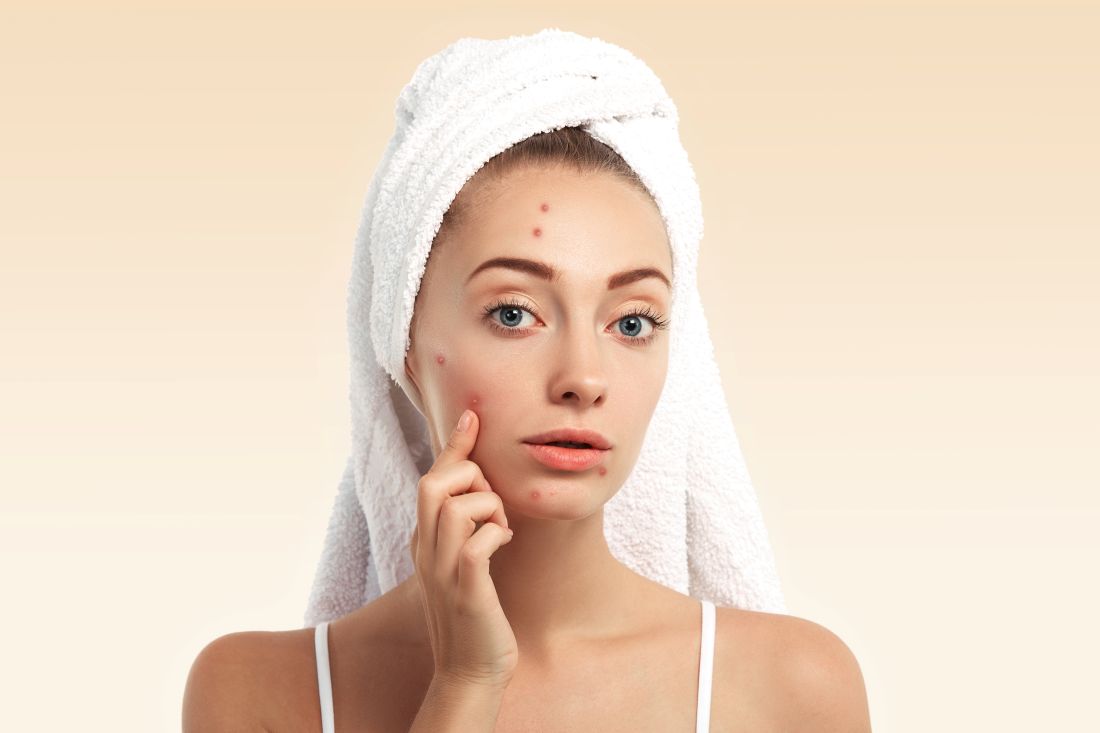
Fractional CO2 Laser for acne scars is an advanced non-surgical treatment for skin that uses controlled laser energy to stimulate collagen production and resurface damaged skin. It is commonly recommended for boxcar, rolling, and certain deep acne scars. Most patients notice gradual improvement in skin texture over several months as new collagen forms beneath the skin.
Tired of Acne Scars That Makeup Can't Hide?
Acne may have disappeared years ago, but the scars often remain as a daily reminder. Uneven texture, small depressions, and visible pitting can make skin look older and less smooth than it really is.
If you've tried creams, serums, and home remedies with little success, you've probably come across Fractional CO2 Laser treatment while searching for acne scar solutions.
But does it actually work? Who is it suitable for? And how long do results last?
Let's explore what aesthetic surgeons want patients to know before considering laser acne scar treatment.
What Is Fractional CO2 Laser for Acne Scars?
Fractional CO2 Laser is a skin resurfacing treatment used to improve acne scars, wrinkles, enlarged pores, and uneven skin texture.
Unlike older laser technologies that treated the entire skin surface, fractional lasers create thousands of microscopic treatment zones while leaving surrounding skin intact. This approach promotes faster healing and reduces downtime.An aesthetic surgeon frequently recommends it for:
- Boxcar scars
- Rolling scars
- Moderate acne scarring
- Uneven skin texture
- Enlarged pores
How Does Laser Treatment for Acne Scar Correction Work?
Acne scars form when inflammation damages collagen fibers within the skin.
Fractional CO2 Laser works through two mechanisms:
Skin Resurfacing
The laser removes tiny columns of damaged skin tissue, helping improve surface irregularities.
Collagen Remodeling
The controlled thermal energy penetrates deeper into the skin layers, stimulating fibroblasts to produce new collagen and elastin.
Over the following weeks and months, this newly formed collagen helps:
- Lift depressed scars
- Smooth skin texture
- Improve skin firmness
- Reduce scar depth
The skin essentially rebuilds itself from within.
Who is a Suitable Candidate for a fractional CO2 Laser?
You may be a good candidate if:
- You have acne scars that remain after acne has cleared
- Your skin is generally healthy
- You have realistic expectations
- You are willing to follow post-treatment care
- You want long-term skin improvement
Treatment suitability depends on factors such as skin tone, scar type, and previous skin treatments.
An aesthetic surgeon will usually evaluate your skin before recommending laser resurfacing.
What Are the Benefits of Fractional CO2 Laser for Acne Scars?
One reason this treatment remains popular is that it addresses multiple concerns simultaneously.
Potential Benefits
- Improves acne scar appearance
- Stimulates long-term collagen production
- Enhances skin texture
- Minimizes enlarged pores
- Improves skin firmness
- Reduces uneven skin surface
- Provides noticeable rejuvenation
Many patients report smoother skin and greater confidence after completing their treatment plan.
How Long Does It Take to See Results?
Results develop gradually.
Typical Timeline
| Time After Treatment | What Happens |
| 3–7 Days | Redness and healing begin |
| 2–4 Weeks | Initial skin improvement is visible |
| 1–3 Months | Active collagen production |
| 3–6 Months | Significant scar improvement |
| 6–12 Months | Final results continue to develop |
Because collagen remodeling takes time, patience is important.
Are Fractional CO2 Laser Results Permanent?
The collagen generated after treatment can provide long-lasting improvement.
However:
- Natural aging continues
- Future acne breakouts can create new scars
- Some patients benefit from maintenance treatments
The improvement achieved in existing scars is generally considered long-term.
What Are the Pros and Cons?
Pros
- Significant improvement in acne scars
- Stimulates natural collagen production
- Long-lasting results
- Improves overall skin quality
- Treats multiple concerns simultaneously
Cons
- Requires downtime
- Multiple sessions may be needed
- Temporary redness and peeling
- Higher cost than some alternatives
- Not suitable for every skin type
What Are the Risks and Side Effects?
Fractional CO2 Laser is generally safe when performed by qualified professionals.
Common Side Effects
- Redness
- Swelling
- Warmth
- Skin peeling
- Temporary sensitivity
Less Common Risks
- Hyperpigmentation
- Infection
- Prolonged redness
- Uneven healing
- Rare scarring
Following post-treatment instructions significantly reduces complications.
What Should You Expect After Fractional CO2 Laser Treatment?
Proper after-care directly affects results.
Post-Treatment Care Tips
- Apply prescribed healing creams
- Use broad-spectrum sunscreen daily
- Avoid direct sun exposure
- Avoid picking peeling skin
- Keep skin moisturized
- Follow the aesthetic surgeon's instructions carefully
Most patients resume normal routines within one to two weeks, depending on treatment intensity.
Final Thoughts
Acne scars can persist long after breakouts have disappeared, but they don't have to define your skin forever. Fractional CO2 Laser remains one of the most effective non-surgical treatments for improving scar texture, stimulating collagen production, and restoring smoother-looking skin. Understanding the benefits, limitations, and recovery process can help you make an informed decision about whether this treatment aligns with your skin goals.
If you're considering acne scar treatment, consulting a qualified aesthetic surgeon is the best way to determine which approach is most suitable for your specific scar type and skin condition.
Frequently Asked Questions
- Is Fractional CO2 Laser safe for acne scars?
Yes. When performed by an experienced aesthetic surgeon, it is considered one of the most effective and well-established treatments for acne scar improvement.
- How many Fractional CO2 Laser sessions are needed for acne scars?
Many patients require 2–4 sessions, although severe scarring may require additional treatments.
- Can a fractional CO2 Laser remove acne scars completely?
Complete removal is uncommon, but significant improvement in scar depth and texture is often achievable.
- Does Fractional CO2 Laser hurt?
A topical numbing cream is usually applied before treatment to improve comfort.
- Can darker skin tones undergo Fractional CO2 Laser treatment?
Yes, but treatment settings must be carefully customized to minimize the risk of pigmentation.