Hair loss can be difficult to deal with, whether it shows up as thinning hair, a receding hairline, or bald patches. For many people, a hair transplant becomes the most reliable solution when other treatments do not give the desired results. If you are considering an advanced hair transplant in Mangalore, understanding the process, benefits, risks, and results is essential. Dr. Chandra, a leading hair transplant surgeon in Mangalore, specializes in hair transplant techniques that are natural and long-lasting in results.
Understanding Causes of Hair Loss
Hair loss affects both men and women, and it can occur for several reasons:
- Genetics: The most common cause, often seen as male or female pattern baldness.
- Hormonal changes: Thyroid imbalance, pregnancy, or menopause may trigger shedding.
- Medical conditions: Autoimmune disorders, scalp infections, or chronic illnesses.
- Lifestyle factors: Stress, poor diet, and lack of sleep can accelerate hair loss.
- Medications: Certain treatments for blood pressure, depression, or cancer may contribute too.
Stages and Types of Hair Loss
Stages of Hair Loss
- Early stage: Slight thinning near the temples or crown.
- Progressive stage: Noticeable receding hairline or widening part.
- Advanced stage: Bald patches or near-complete baldness.
Common Types of Hair Loss
- Androgenetic alopecia: Hereditary pattern baldness, the most common form.
- Alopecia areata: Patchy hair loss due to autoimmune response.
- Telogen effluvium: Sudden shedding after illness, surgery, or stress.
- Scarring alopecia: Permanent hair loss caused by scalp damage.
Identifying the type and stage of hair loss is the first step in planning an effective transplant.
Advanced Hair Transplant Treatments in Mangalore
Hair transplant technology has advanced significantly. Today’s procedures focus on comfort, natural appearance, and long-term growth.
1. Follicular Unit Extraction (FUE)
FUE is the most widely used advanced technique. It involves removing individual hair follicles from the donor area (usually the back or sides of the scalp) and transplanting them into thinning or bald areas.
Benefits of FUE:
- Leaves no linear scar, only tiny dot-like marks that fade.
- Quicker recovery compared to older methods.
- Natural-looking results when done by an experienced surgeon.
- Suitable for beard, moustache, and eyebrow transplants as well.
2. Direct Hair Implantation (DHI)
A step ahead of FUE, DHI uses a specialized implanter pen to directly place extracted follicles without pre-made incisions.
Benefits of DHI:
- Higher precision in angling and direction of hair growth.
- Reduced handling of follicles, improving survival rate.
- Denser packing possible for a fuller look.
3. Robotic or Assisted FUE
Some advanced clinics offer robotic-assisted systems that enhance precision during follicle extraction. This reduces human error and ensures consistent results, especially for larger sessions.
The Procedure of Hair Transplant
Dr. Chandra explains, a hair transplant does not stop future hair loss; it only relocates healthy hair follicles from one part of the scalp to thinning or bald areas. The transplanted follicles are permanent, but the surrounding non-transplanted hair may still thin over time.
However, a typical advanced hair transplant includes:
- Consultation and assessment: The doctor examines your hair loss pattern, scalp condition, donor area quality, and overall health.
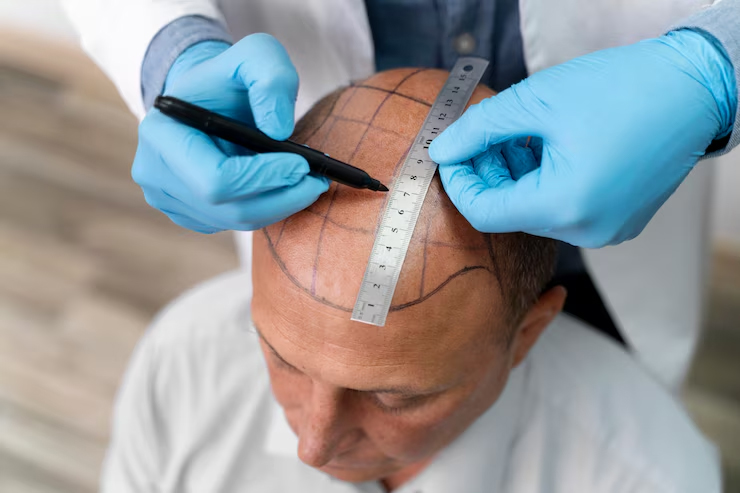
- Planning the hairline: As natural appearance is the priority, an expert first marks the treatment area and the number of grafts required.
- Local Anesthesia: The scalp is numbed for a painless procedure.
- Extraction and implantation: Depending on the chosen technique, follicles are carefully placed.
- Post-procedure care: You’ll receive clear instructions on how to wash, protect, and care for your scalp.
The duration can range from 4 to 8 hours, depending on the extent of coverage needed.
Recovery and Results
Most patients can resume light activities within 2–3 days. Mild swelling, redness, or scabbing is normal but temporary. Visible new growth usually begins around 3–4 months, with full results becoming noticeable after 9–12 months.
According to Dr. Chandra, our leading hair transplant specialist and cosmetic surgeon in Mangalore, Patience is the key. A successful hair transplant is not just about the procedure, but also about following aftercare instructions carefully to allow the transplanted follicles to grow naturally.
Is Hair Transplant Right for You?
Not everyone is an ideal candidate. The best outcomes are usually seen in people who:
- Have stable hair loss patterns.
- Possess a healthy donor area.
- Are in good overall health.
- Have realistic expectations about the results.
If your hair loss is due to medical conditions or ongoing treatments, your doctor will discuss alternatives.
Cost of Hair Transplant in Mangalore
The cost varies depending on:
- Number of grafts required.
- Type of technique.
- Experience of the surgeon and clinic facilities.
On average, hair transplants in Mangalore are priced lower than in metropolitan cities, while maintaining high standards of care.
Risks and Possible Side Effects of Hair Transplant
Like any medical procedure, hair transplants come with a certain level of risk as well. While advanced methods like FUE and DHI have made the process safer and minimally invasive, it’s important to be aware of potential side effects:
- Temporary swelling and redness: Usually resolves within a few days.
- Scabbing and itching: Normal during healing but should not be scratched.
- Shock loss: Some transplanted or existing hairs may fall out temporarily before regrowth.
- Infection or folliculitis: Rare, but possible if aftercare is not followed.
- Uneven growth: Inexperienced techniques may cause unnatural direction or density.
Most of these issues are short-lived and can be managed with proper aftercare and guidance from your surgeon.
A consultation with Dr. Chandra can help you determine your candidacy and the best possible treatment for hair loss.
Final Thoughts
If hair loss is affecting your confidence, a hair transplant can be a life-changing solution. With the right technique and expertise of board-certified surgeon, you can achieve natural and long-lasting hair and a desired appearance.
For appointments and consultation, contact Dr. Chandra at Radiant Roots Mangalore.
Frequently Asked Questions (FAQs)
1. Is a hair transplant painful?
No, the procedure is performed under local anesthesia, so you will not feel pain during the transplant. Some mild discomfort or tightness may be felt afterward, but it usually resolves within a few days.
2. How long do the results of a hair transplant last?
Hair transplants are permanent because the transplanted follicles are resistant to hair loss. Once they grow, the results last a lifetime with proper care.
3. How soon can I return to work after a hair transplant?
Most patients return to light work within 2–3 days. However, it is advised to avoid strenuous physical activity, swimming, or heavy exercise for at least 10–14 days.
4. Will people be able to tell I had a hair transplant?
With advanced techniques like FUE and DHI, the results look very natural. Tiny marks from follicle extraction heal quickly, making the procedure discreet.
5. What is the success rate of advanced hair transplants in Mangalore?
When performed by an experienced surgeon like Dr. Chandra, the success rate is very high, with over 90% of transplanted follicles growing naturally within a year.